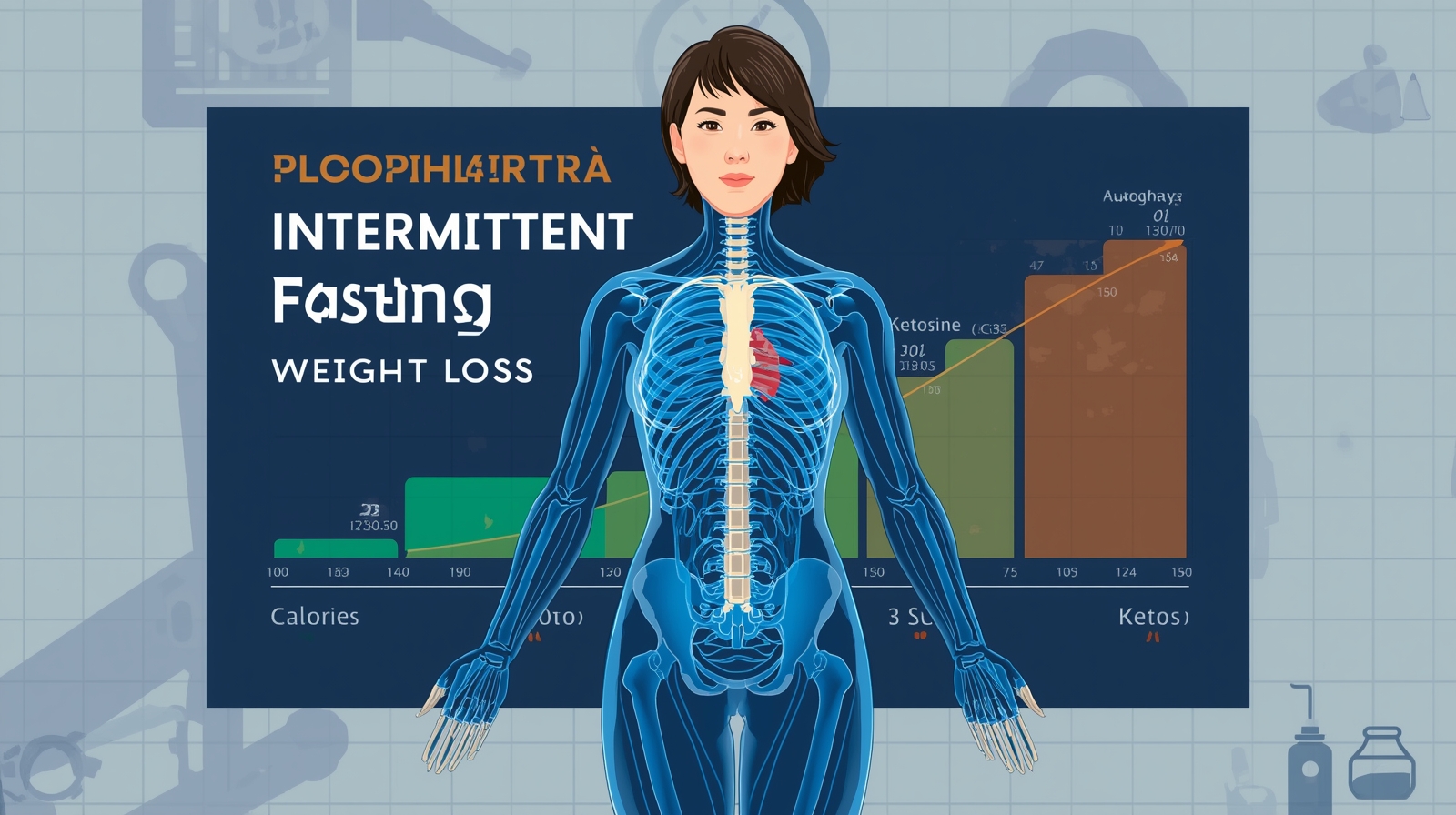
Intermittent fasting (IF) has become one of the most popular methods for weight loss — and for good reason. Unlike traditional diets that focus on what you eat, intermittent fasting focuses on when you eat. It’s a simple yet powerful approach that helps your body burn fat naturally, without strict calorie counting or meal restrictions.

🕒 What Is Intermittent Fasting?
Intermittent fasting is an eating pattern that cycles between periods of eating and fasting. You don’t skip food entirely — you just limit your eating to certain hours of the day.
Common IF methods include:
- 16/8 method: Fast for 16 hours and eat during an 8-hour window (e.g., 12 PM to 8 PM).
- 5:2 method: Eat normally for 5 days, and limit calories to 500–600 on 2 non-consecutive days.
- Eat-Stop-Eat: Fast for 24 hours once or twice a week.
🔥 How It Promotes Weight Loss
1. Lowers Insulin Levels
When you eat, your body releases insulin to store glucose (sugar) from food. During fasting, insulin levels drop, signaling your body to use stored fat for energy. This is when fat burning truly begins.
2. Increases Human Growth Hormone (HGH)
Fasting boosts the production of HGH — a hormone that supports muscle growth and fat metabolism. Higher HGH levels mean your body becomes more efficient at burning fat and preserving muscle.
3. Enhances Fat Burning Through Ketosis
After several hours without food, your body switches from using glucose to burning stored fat for fuel. This state, known as ketosis, is one of the main reasons intermittent fasting aids in fat loss.
4. Reduces Calorie Intake Naturally
Since you’re eating in shorter time windows, you automatically consume fewer calories — often without feeling deprived or hungry all the time.
5. Improves Metabolic Health
Intermittent fasting helps regulate blood sugar, lowers cholesterol, and improves overall metabolic function — all of which support healthy, sustainable weight loss.

💪 Benefits Beyond Weight Loss
Intermittent fasting doesn’t just help you lose fat. It also:
- Boosts mental clarity and focus
- Improves digestion and gut health
- Reduces inflammation
- Promotes longevity and cellular repair (autophagy)
⚠️ Things to Keep in Mind
- Stay hydrated: Drink water, black coffee, or herbal tea during fasting hours.
- Eat nutrient-rich meals: Focus on whole foods — lean proteins, fruits, veggies, and healthy fats.
- Avoid overeating: Don’t binge during your eating window; it cancels out your fasting benefits.
- Listen to your body: If you feel dizzy or weak, adjust your fasting schedule.
🏁 The Bottom Line
Intermittent fasting is not a crash diet — it’s a lifestyle strategy that helps your body work smarter, not harder. By controlling when you eat, you train your metabolism to burn fat more efficiently. When combined with a balanced diet and regular exercise, intermittent fasting can be one of the most effective ways to achieve lasting weight loss and better health.